

[ad_1]
New AI and other models can track every move you make online. Photo: Adobe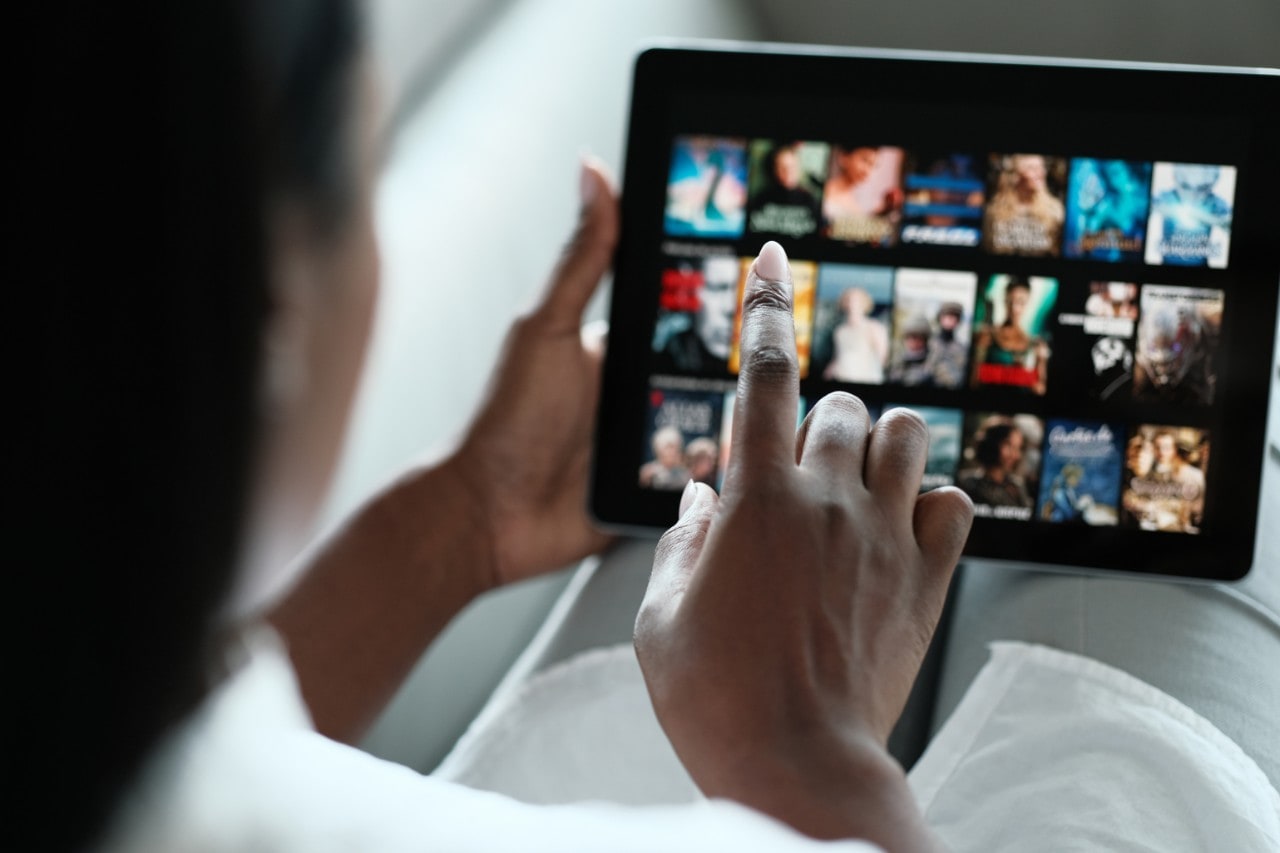
“Virtually every ‘digital trace’ consumers leave can be tracked, and the data extracted may potentially be used for underwriting of contracts,” Dr Bednarz said. “Artificial intelligence and machine learning tools make it possible to obtain valuable inferences regarding risk prediction from that data.”
“Inferences that can be drawn from data are very wide-reaching and many of us would find them uncomfortable,” Dr Bednarz said. “It has been shown that models, such as machine learning algorithms, can (correctly!) guess a person’s sexual orientation from pictures of their face, or possible depression from their posts on Twitter. Think about all the things that can be uncovered about us from our grocery shopping history alone: our diet, household size, maybe even health conditions or social background. It gets even more extensive and possibly precise if we think about information revealed by our social media posts, pictures, likes, or membership in various groups.”
Dr Bednarz also points out her further research, carried out with Professor Kimberlee Weatherall, University of Sydney Law School, indicating insurers’ access to data becomes even easier with the new Consumer Data Right (CDR), which already requires banks to share consumers’ banking data, at their request, with another bank or app, such as to access a new service or offer (potentially also insurance). The CDR is proposed to be expanded to the insurance and superannuation industries soon.
While the Consumer Data Right is advertised as empowering consumers, enabling access to new services and offers, and providing people with choice, convenience and control over their data, Dr Bednarz says that “in practice, however, it could mean insurance firms won’t even need to watch you online to know how much money you’re spending (and on what). They could just ask you to share your banking data through CDR.”
[ad_2]
Source link